Key Replacement Experts: Fast, Reliable Solutions for Your Lock Issues
Key replacement services serve a critical function in resolving numerous lock-related problems. They deliver effective remedies when people encounter lost keys, break-ins, or damaged locks. These experts employ cutting-edge approaches to maintain important resource both performance and protection. Yet, the methods and alternatives offered can vary considerably. Recognizing these differences is important for making informed decisions about key replacement. Which elements should individuals evaluate when choosing a provider?
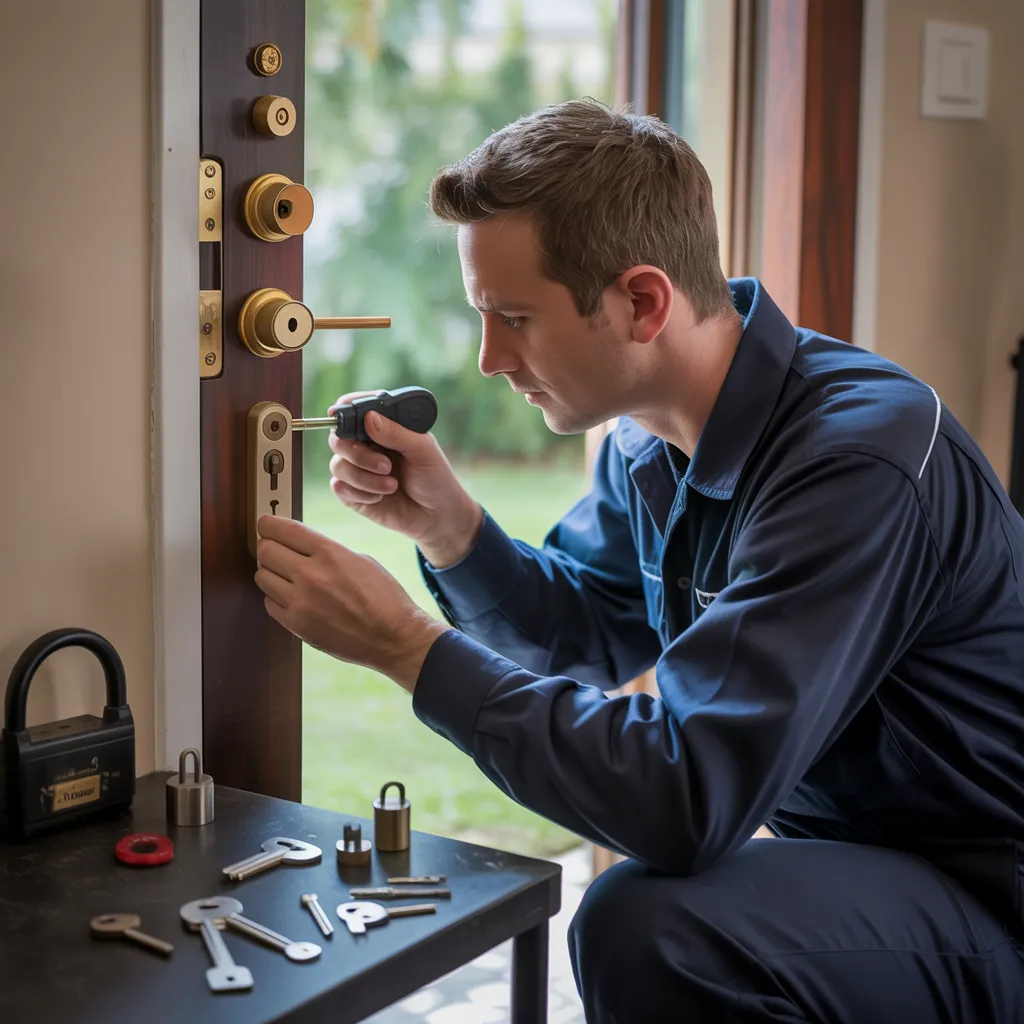
A Guide to Key Replacement Services and Their Significance
Professional key replacement services serve a vital function in today's security landscape and everyday convenience. These professional services provide assurance that individuals can regain access to their properties quickly and securely after losing or damaging their keys. Key replacement services offer benefits that go beyond simple access restoration; they also tackle important security issues. A misplaced key can lead to potential break-ins, making prompt key replacement essential to safeguard personal belongings and ensure individual safety.
Professionals in the locksmith industry employ sophisticated approaches and equipment to produce key copies or install new lock systems. Their expertise allows them to cater to numerous lock varieties, from household to car-related locking systems. Furthermore, on-site key replacement services improve accessibility by offering direct assistance at your location, cutting down on the time and hassle needed by customers.
In our rapidly evolving modern world, these services deliver both peace of mind and a meaningful contribution to the overall efficiency of daily living, demonstrating their relevance in contemporary life.
Typical Situations That Necessitate Key Replacement
Key duplication is often necessary in several scenarios, particularly when keys are lost or stolen. Furthermore, broken or damaged keys can leave locks non-functional, creating a need for new keys. Understanding these common scenarios can assist homeowners in anticipating unforeseen problems with their locks.
Missing or Stolen Keys
Having keys lost or stolen can create significant challenges, resulting in people being unable to access their homes or vehicles. This situation is particularly distressing when urgent access is needed, especially in emergency situations or time-sensitive commitments. In scenarios where keys are misplaced in public places, the possibility of unwanted entry becomes greater, prompting immediate action for security reasons. Additionally, the emotional stress of losing personal belongings can exacerbate the urgency for a quick solution. Residential and vehicle owners frequently pursue key replacement solutions to recover access while maintaining the security of their assets. Employing qualified locksmith professionals can speed up the procedure, delivering confidence and reestablishing routine in an efficient timeframe. Replacing keys promptly is vital for preserving both safety and ease of access.
Keys That Are Broken or Damaged
Faulty or broken keys can create major difficulties, frequently preventing people from accessing their homes or vehicles. Frequent cases include keys that snap inside locks, become warped, or exhibit significant signs of deterioration. Such complications can develop from constant use or contact with harsh environments. When dealing with a broken key, individuals might try to retrieve the pieces, risking greater damage to the locking system. In these situations, seeking professional key replacement services is crucial. Skilled technicians can analyze the problem, produce a new key, or fix the existing one promptly. Prompt action not only reestablishes access but also ensures the safety and performance of the lock, avoiding future issues associated with broken or damaged keys.
Selecting the Right Key Replacement Service for Your Needs
When evaluating a locksmith service, how can one be certain they are making the right choice? To begin, it is crucial to investigate nearby services. User reviews and scores can shed light on the reliability and professionalism of a provider. Moreover, checking credentials such as certifications and coverage can assure that the provider is legitimate and trustworthy.
To continue, comparing prices among different services can be useful in determining competitive rates without reducing service standards. A reliable provider will provide clear and open pricing and furnish itemized quotations. Furthermore, examining the breadth of offerings is essential; individual services may concentrate on distinct lock and key varieties.
Lastly evaluating the accessibility of emergency services can be helpful, especially in emergency circumstances. By reviewing these factors, clients can reach well-informed choices and select a key duplication service that meets their specific needs effectively.
Understanding the Key Replacement Process
An efficient key replacement procedure typically involves multiple essential steps that ensure a smooth and satisfying experience. At the outset, the service provider assesses the situation, establishing the exact key needed, whether it involves a conventional key or an advanced transponder key. Subsequent to this evaluation, the service provider may require identification and verification of ownership to verify security.
Upon confirmation, the technician goes on to duplicate or replace the key entirely, employing professional-grade tools that provides precision. This phase commonly requires programming electronic keys, if applicable. When the replacement process is complete, the professional performs a functional test to validate that the replacement key performs correctly with the corresponding lock.
As a final step, the customer is given advice about the correct care and upkeep of the new key. This comprehensive approach assures that the key replacement process is not only efficient but also aligned with the customer's expectations, leaving them pleased and at ease.
Preventing Key Loss: How to Prevent Future Lockouts
Keeping track of your keys is vital for preserving security and accessibility. Applying basic measures can significantly lower the risk of experiencing a lockout. One effective method is establishing a set place for all keys, such as a designated hook or container at the entryway, guaranteeing their return to the same spot after each use. Moreover, using key finders or smart keychains equipped with Bluetooth technology can assist in rapidly tracking down misplaced keys.
Practicing mindfulness when handling keys is equally important; individuals should consciously place keys in their designated spot rather than setting them down randomly. Leaving an extra key with a reliable friend or family member can offer additional protection against unexpected lockouts. Routinely assessing personal behaviors and practices related to key management can likewise uncover opportunities for enhancement. By embracing these forward-thinking approaches, individuals can lower the chances of misplacing keys and boost their overall confidence and well-being.
Steps to Safeguard Your Home After Replacing Your Keys
Losing keys can leave homeowners feeling vulnerable, as the integrity of their safety is undermined until proper steps are implemented. To enhance security after a key replacement, homeowners should first think about upgrading their locks altogether, especially if the misplaced key may be in the hands of an unidentified individual. Installing deadbolts can deliver an supplementary layer of protection.
Additionally, homeowners can evaluate their current security systems. Switching to smart locks or integrating security cameras can boost overall security. It is also recommended to reconfigure any electronic entry systems associated with the changed keys.
In conclusion, educating all household members about security practices is important. Encouraging them to exercise caution when sharing keys and making sure doors remain locked at all times can reduce potential risks. By following these measures, homeowners can achieve peace of mind and secure their living environment effectively.
DIY vs. Professional Key Replacement Costs
When evaluating key replacement, consumers often compare the expenses of DIY approaches compared to professional services. Do-it-yourself solutions may appear more cost-effective at first glance, but unforeseen charges can result from tools or mistakes. In contrast, professional services generally provide a clear pricing structure, reflecting proficiency and trustworthiness.
DIY Cost Breakdown
Evaluating the costs involved in key replacement reveals notable differences between DIY solutions and professional services. DIY key replacement typically involves buying blank keys and cutting tools, which can range from $10 to $50, according to the type of key. However, individuals must also account for potential mistakes, which may require additional purchases. In contrast, while professional services typically carry higher upfront costs—varying from $50 to $150—they provide expertise and secure the functionality of the replacement key. Additionally, professionals can effectively address complex lock systems that DIYers may struggle with. Ultimately, while DIY may seem cost-effective initially, the risk of errors and the potential need for rework can lead to higher overall expenses.
Professional Service Pricing
Navigating the landscape of key replacement costs reveals stark differences between professional services and DIY methods. Professional key replacement typically varies from $50 to $300, subject to the intricacy of the key and the type of lock involved. This cost often covers not only the key cutting but also supplementary services like lock reprogramming or replacement. In comparison, DIY key replacement may appear more economical, with basic key blanks costing as little as $2 to $10. However, this approach can lead to unforeseen charges, such as buying equipment or the risk of damaging the lock. Ultimately, while DIY offers lower upfront costs, the dependability and knowledge of professionals can warrant their higher fees in critical situations.
Questions We Are Often Asked
How Long Does It Typically Take to Replace a Key?
Commonly, a key replacement requires around 10 to 30 minutes, depending on the complexity of the key and the lock type. Considerations including material availability might also impact the overall timeframe.
Can I Get a Key Replaced Without the Original?
Yes, a key can be made without the original. Skilled locksmiths often use the lock itself to produce a new key or may utilize code information, depending on the lock type and safeguards in place.
Is Key Replacement Service Available Around the Clock?
That's correct, a wide range of key replacement services are available 24/7, handling emergency needs and providing support around the clock. This guarantees customers can restore access to their premises in a timely manner, no matter the hour.
What Types of Keys Are Available for Replacement?
Multiple kinds of keys are available for replacement, ranging from house keys and car keys to electronic fobs, padlock keys, and safe keys. Every key type demands specialized tools and knowledge to confirm full functionality and protection after the replacement process.
Do Key Replacement Providers Provide Warranty Coverage?
Many replacement key providers provide guarantees, making certain customers get reliable products. These warranties usually encompass defects and functionality issues, giving reassurance that the keys provided will operate correctly while meeting client requirements.